
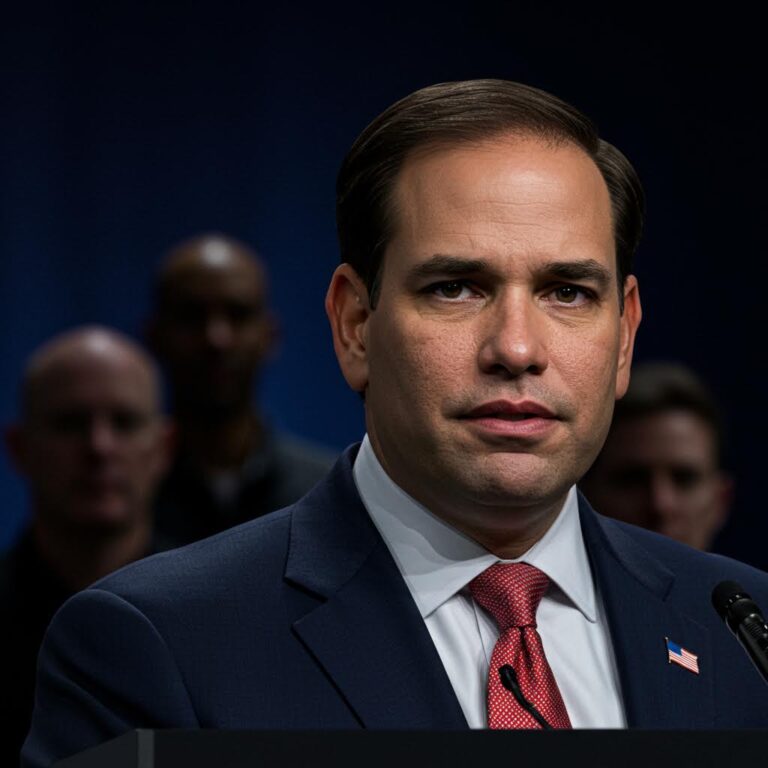
In June 2025, a chilling incident unfolded in the realm of artificial intelligence and security. Someone successfully used an AI-generated voice clone of Marco Rubio, a prominent U.S. Senator and former presidential candidate, to fool high-ranking officials. This extraordinary breach contacted a U.S. governor, a member of Congress, and three foreign ministers—each at risk of having sensitive information accessed. This alarming event serves as a stark reminder of the vulnerabilities surrounding AI voice cloning technology.
How Did This Happen?
The mechanics of the scam are as unsettling as they are straightforward. An AI voice clone requires as little as 15-20 seconds of audio, readily available from public sources, to create a convincing imitation. This data was utilized to craft a voice so eerily accurate that it bypassed the usual checks implemented to verify identity. By leveraging platforms like Signal, the perpetrators targeted key figures under the guise of a trusted advisor, shaking the very foundations of digital trust.
The Context: A Growing Threat
This case is part of a broader trend that has left security experts on high alert. Since April of the same year, the FBI has warned of an active campaign where AI voice cloning is employed to manipulate and access confidential accounts of senior officials. Previous incidents have already proven damaging, such as a UK energy company losing $243,000 due to a voice clone impersonating its CEO, and a staggering $35 million stolen from a UAE bank using similar tactics.
What Makes AI Cloning So Effective?
A revealing statistic compels attention: Studies show that 80% of AI tools successfully clone political voices, and humans struggle to differentiate between the real and the fake—each identification attempt hinges on sheer chance. With costs to employ such technology plummeting to $1-5 per month, these voice cloning methods pose a significant risk, especially given their accessibility.
What’s Being Done?
In response to this burgeoning threat, legislative measures are emerging. The Take It Down Act, signed by President Trump, criminalizes the manipulation of AI-generated deepfakes. Meanwhile, Denmark is exploring laws that grant citizens copyright protection over their own voice. These initiatives reflect a growing recognition of the need for safeguards in our increasingly digital lives.
Preparing for the Future
As this incident illustrates, the question isn’t whether AI-driven voice cloning will affect you—it’s when it might occur, and how prepared you are to face it. One practical step to bolster personal security includes establishing unique catchphrases or signals with loved ones. As we navigate this unpredictable terrain, personal vigilance and proactive measures become essential commodities.
Conclusion: A Reflection on Digital Trust
The startling use of Marco Rubio’s voice in this high-stakes game of deception serves as both a cautionary tale and an invitation to reevaluate our digital practices. The fusion of technology and security has never been more critical. As society grapples with these challenges, each individual must ask: “How can I protect myself in a world where trust is increasingly synthetic?” We stand at a crossroads where our next steps will determine the course of our digital narratives.