AI Voice Cloning Scams: How Deepfake Audio Fool High-Profile Targets (And How to Protect Yourself)
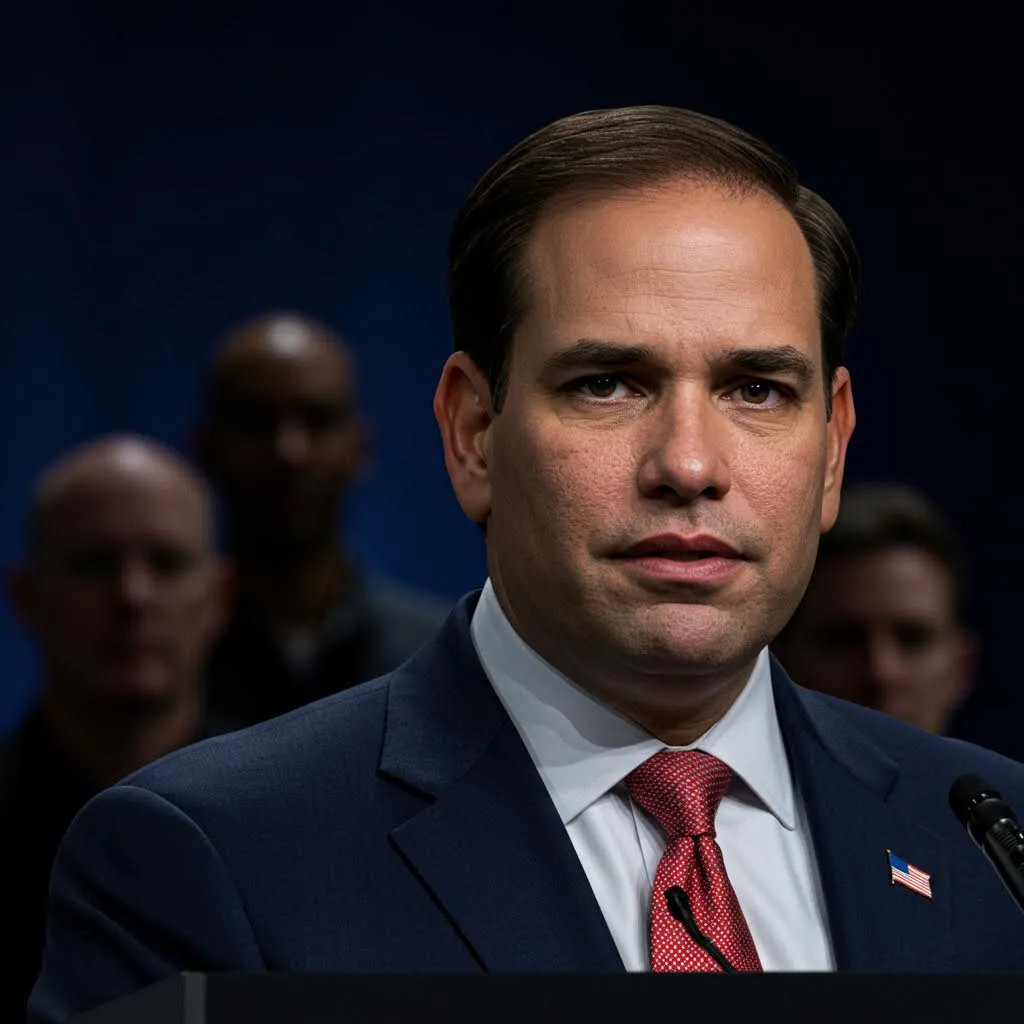
In a high-profile security breach, attackers deployed an AI-generated voice clone of a prominent U.S. Senator to target state governors, members of Congress, and foreign government ministers via encrypted messaging apps.
This incident is not an isolated anomaly—it signals a major evolutionary leap in vishing (voice phishing) and executive impersonation fraud. With consumer-grade AI voice generation tools costing less than $5/month and open-source models capable of running locally on consumer GPUs, deepfake audio has become an accessible weapon for social engineering.
Below is our technical breakdown of how AI voice cloning operates, real-world case studies in enterprise fraud, and the mandatory verification protocols required to protect organizations and individuals.
1. How AI Voice Cloning Works: The Technical Pipeline
Unlike legacy text-to-speech (TTS) engines that sounded robotic and monotone, modern deepfake audio uses deep neural networks (such as diffusion and autoregressive transformer models):
[Target's Public Audio] ──> [Feature Extraction] ──> [Neural Acoustic Model] ──> [Neural Vocoder] ──> [Realistic Synthetic Voice]
(Podcasts, YouTube, TV)      (Pitch, Formants,        (Maps text into custom      (Synthesizes audio    (Outputs live audio
Vocal Tract Resonances) spectrogram representation) waveform in real time) with natural inflection)- Acoustic Feature Extraction: The model extracts fundamental frequencies ($F_0$), vocal tract resonances, emotional prosody, and background room noise.
- Text-to-Spectrogram Generation: The attacker inputs arbitrary script text into a web interface or CLI, which the acoustic model converts into a mel-spectrogram customized with the victim’s acoustic fingerprint.
- Neural Vocoding: High-speed neural vocoders (like HiFi-GAN or BigVGAN) reconstruct the mel-spectrogram into ultra-high-fidelity PCM audio waveforms in real time (< 300ms latency), allowing live two-way conversational voice spoofing over phone calls.
2. High-Impact Enterprise Case Studies
The financial consequences of unverified voice instructions are severe:
| Incident Target | Attack Vector | Financial & Security Impact | Root Cause of Failure |
|---|---|---|---|
| UK Energy Firm | Deepfake CEO Voice Call | $243,000 transferred to fraudulent supplier | Reliance on recognizable voice as sole verification |
| UAE Multinational Bank | Cloned Company Director Call | $35,000,000 in unauthorized bank transfers | Deepfake voice combined with spoofed corporate email |
| Government Officials | Cloned Senator Voice on Signal | Sensitive political intelligence targeted | Blind trust in verified phone numbers / audio notes |
3. The 4-Step Verification Protocol Against AI Voice Fraud
Implement these four strict verification controls:
- Out-of-Band Callback Verification (Mandatory):
- If an executive, family member, or bank representative calls requesting urgent action, hang up immediately.
- Call the person back using a pre-established, trusted phone number stored in your corporate directory or address book—never use numbers provided during the incoming call.
- Duress Words & Family Passphrases:
- Establish an offline verbal passphrase with immediate family members and key business executives. In high-pressure emergency scenarios (“I’ve been arrested”, “I was in an accident”), require the passphrase before taking financial action.
- Dual-Authorization for Financial Transactions:
- Require at least two authorized stakeholders to approve any wire transfer exceeding predetermined thresholds, utilizing cryptographic multi-factor authentication (FIDO2 / hardware security keys).
- Deploy Anti-Phishing Email Controls:
- Most voice clone attacks originate from compromised email chains where attackers gather context. Ensure DMARC, SPF, and DKIM are strictly enforced across your domain to block spoofed communications.
4. Frequently Asked Questions (FAQ)
How much audio is needed to clone someone’s voice?
Modern zero-shot AI models require as little as 3 to 15 seconds of clean audio. Publicly available videos, podcast appearances, social media reels, or voicemail greetings provide ample training data.
Can automated tools detect AI voice clones during phone calls?
While AI audio detection algorithms exist, they suffer from high false-positive rates during compressed cellular phone calls (AMR-WB / VoLTE codecs). Human process controls (out-of-band callbacks) remain vastly more reliable than automated detectors.
Can voice biometric banking authentication be hacked by AI?
Yes. Multiple independent cybersecurity audits have demonstrated that advanced voice clones can successfully bypass automated voiceprint authentication systems used by financial institutions.
🏁 Summary
In an era where identity can be algorithmically synthesized in real time, process beats technology. Establishing strict out-of-band verification rules and family passphrases is the most effective defense against deepfake voice scams.